Bike, don’t drive!
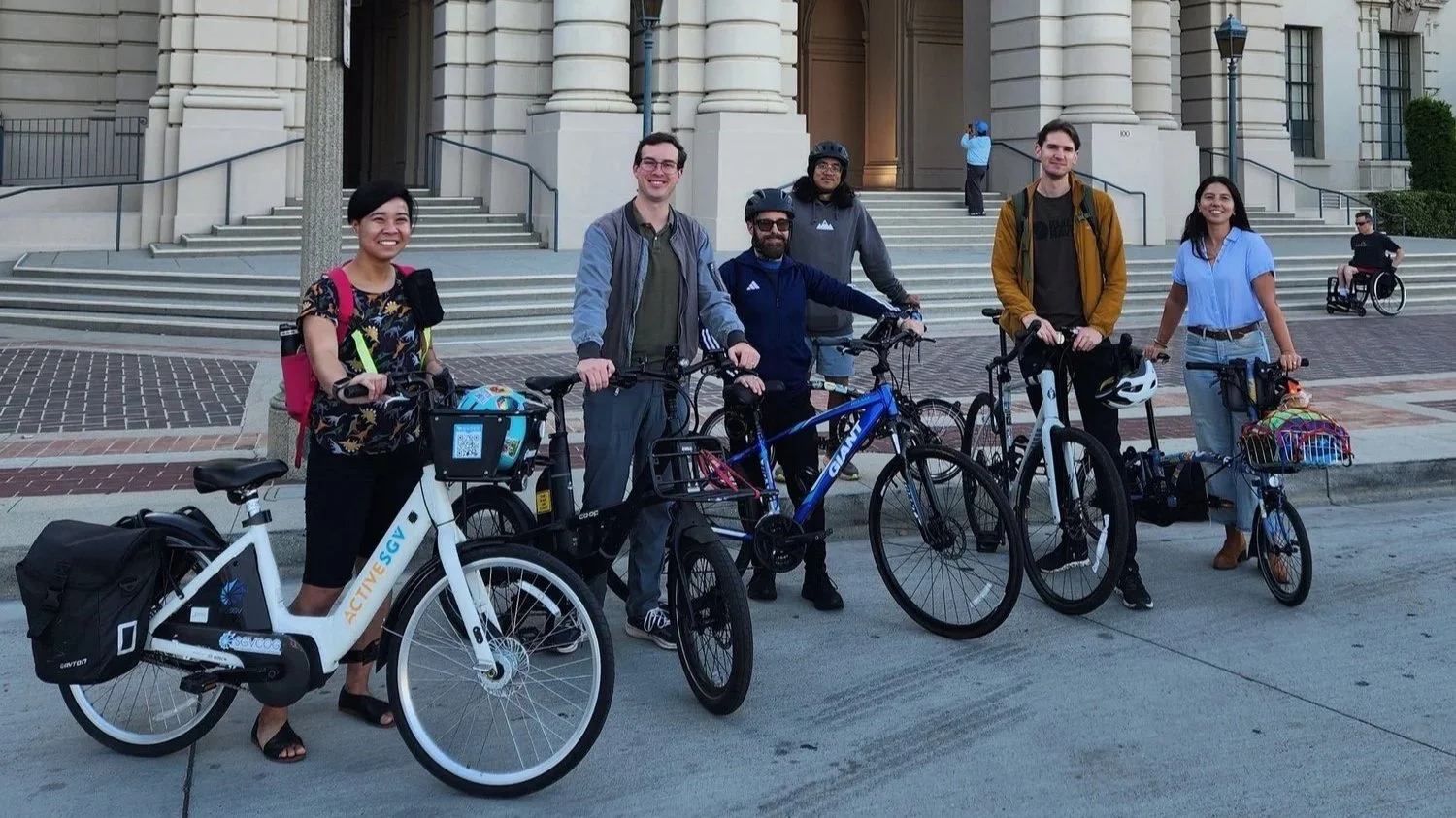
A few commuters stop at City Hall on Bike to Work day.
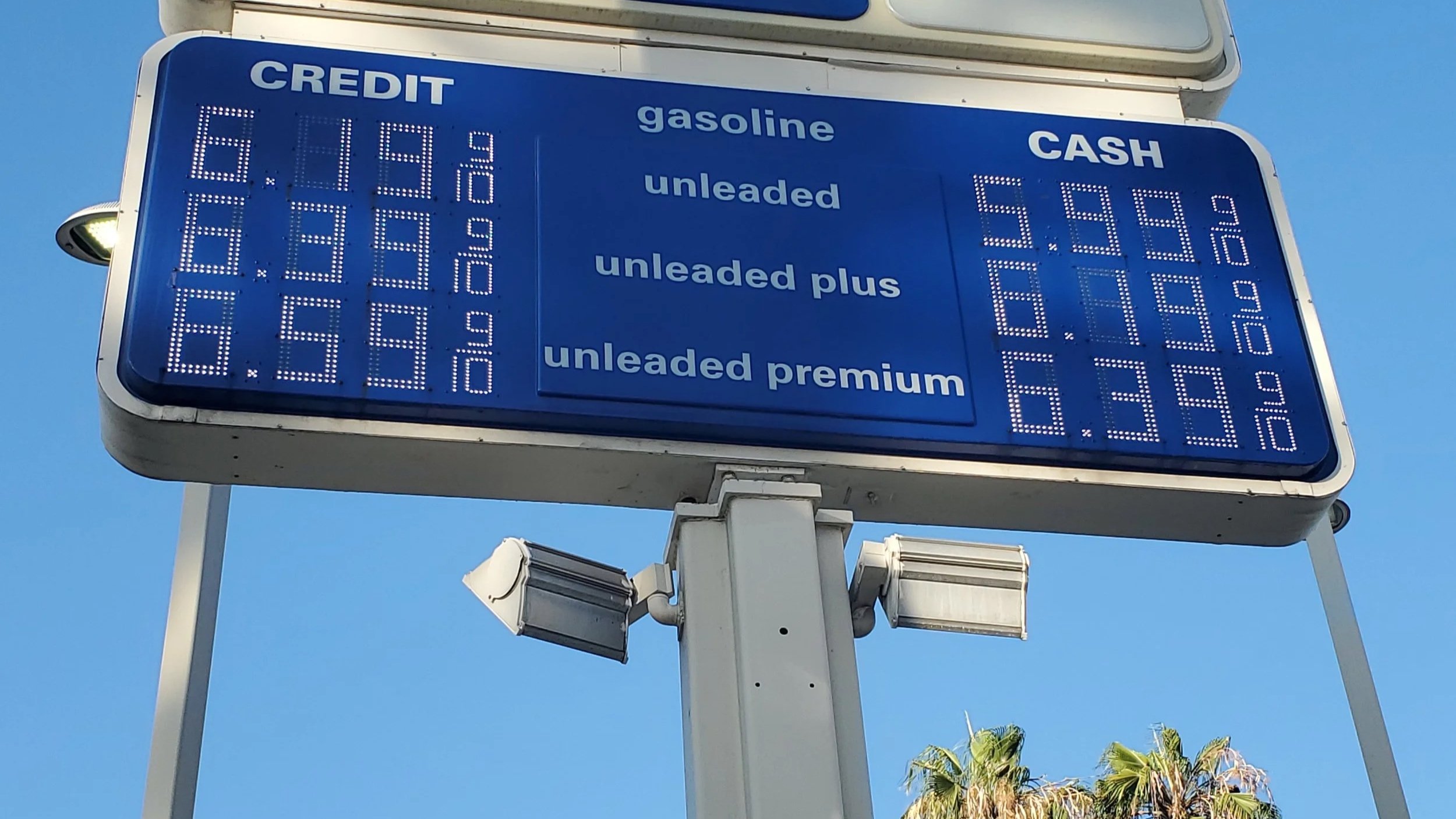
Cars are expensive. Transportation is the #2 largest expense for American households (housing is #1).
High gas prices got you down? Looking for an alternative for errands and other short trips around town? In this season of war and penury, the thoughtful person turns to the bicycle. As long as you know how to ride, you can skip filling up. If you haven't been on a bike in a while, though, where to start?
I'm assuming that you already know how to ride a bike, and that you have one. If you don't know how to ride a bike but you'd like to, check out the Bike Center’s Learn to Ride classes for adults, held in Santa Monica. They provide a bike and a helmet.
If you don't have a bike, but you know how to ride, there are options at every price point. Most economical is getting a bike for free or very low cost at a garage sale, or via social media like NextDoor, Facebook Marketplace or your local Buy Nothing group. Also in the low-price category (with extra points for community and the opportunity to learn new skills) are used bikes from the Bicycle Kitchen or the Bike Oven, two L.A. area DIY bike repair spots that will not only connect you with a bike but also help you get it into tip top working order. There are nonprofit organizations (like Day One in Pasadena) that give out bikes that get left on Metro trains, but their supply is very limited.
If you need a little more support getting a bike that fits your needs, abilities, and size, and you have room in your budget, visit a local bike shop. Pasadena bike shops are amazing! Some local shops also sell used bikes, or even rent them. The staff are there to help. If an ebike is in your future, the City of Pasadena offers rebates to Pasadena residents. Although they take a little getting used to, ebikes are a great choice if you’re a little less confident or you’re worried about your strength or stamina.
If you'll be dragging the bike you've already got out of the garage and putting it back into service, first take it either to one of the local shops or to the Bike Oven for a checkup (depending on how much of the work you want to do yourself). You don't want a slow leak or a brake issue to ruin your first ride.
You don’t need any special clothing to ride a bike, although wearing a dress or pants with very wide, floppy pant legs is not recommended. If you don’t have a chain guard on your bike, you might put a rubber band or a velcro strap on your right pant leg to minimize any mess. Adults are not required to wear a helmet like kids and youth under 18 are, but it’s a very, very good idea. Avoid used helmets that might have been in a crash previously.
Then… the moment arrives. No more excuses! You've got a bike in good working order and you've made the big decision to ride it to work, or a social engagement, or to do a couple of errands. Hopefully you've also thought ahead about whether you'll be carrying your lunch and laptop, that birthday present, or a few groceries, and you've already got a basket, a pannier bag or two, or at minimum a backpack.
Think ahead about your route. You're NOT going to want to ride on the same busy streets you usually drive on. Most of those streets, like Los Robles, Fair Oaks, Orange Grove and Washington, don't have much space for bicycles, and the traffic moves too fast for safety.
Feeling reluctant to ride on the road? Consider coming to a PasCSC Beginners Bagel Ride for tips and practice. Check our calendar for the next one. As of this writing (May, 2025), Pasadena Cyclery’s Beginner Rides have been sidelined by an injury, but reach out to them if you would like the rides to start up again soon, or follow the group on Facebook. Other friendly rides include Bikes and Brews on the first Friday of each month and Bikes and Vines on the third Friday, both starting at Pasadena Cyclery. Around the Cycle has group rides occasionally too.
Pasadena has just a couple of buffered or protected bike lanes (they're on Union, Cordova, and parts of Maple). But there are quite a few quieter streets for getting across town or north-south.
For going north-south, a good place to start is the four streets designated to become Neighborhood Greenways: El Molino, Wilson, Sierra Bonita and Craig. All of them cross the 210 freeway. Marengo has a bike lane on parts, and also crosses the freeway (although it scored high in our Worst Bike Lanes poll because it’s not continuous). Raymond has less traffic south of Old Pasadena and a bike lane north of the freeway, although the street is in the city's queue for much-needed resurfacing. Another north-south option, especially south of Green Street, is Euclid, a neighborhood street with speed humps and light traffic. Euclid has traffic signals for crossing Cordova and Del Mar but not California, and continues south past Glenarm.
Good streets for traveling east-west of course depend on where you are and where you're going. From south to north, streets favored by PasCSC's frequent riders include Glenarm, Fillmore, San Pasqual, Cordova, Union, Villa, Paloma, Mountain (which should have slower traffic now that some stretched out speed humps known as speed tables have been installed), Howard and Elizabeth. There are occasional bike lanes on some of these streets, but of course paint won’t keep you safe. Some of those streets get busy during commute hours or before and after school. Woodbury, and Maple and Corson (which parallel the 210) all have bike lanes for some portions, but use those routes with caution. Car traffic on those streets moves at high speeds and the bike lanes are, once again, just paint.
Pasadena has designated some streets as Roseways, but not all of them are the first choice of frequent cyclists. Pasadena’s Roseways (technically known as “Class III routes” in the California code) are generally just signs and maybe painted “sharrows” (here’s an explanation of the different classes of bike lane). These streets lack bike lanes or other infrastructure specifically for bicycling. The best examples include traffic signals at major cross streets (see Rio Grande at Lake and Claremont at Lake), but other examples will leave you on your own to navigate the crossing (see Claremont at Fair Oaks and Claremont at Los Robles). Pasadena Complete Streets volunteer John Lloyd documented his mixed experience with several Roseways in a blog post last year. (Preview: He didn’t love Glenarm.)
You can find a map of Roseways and bike lanes in Pasadena here.
If you find yourself on a street that feels unsafe, ride on the sidewalk! It’s legal everywhere in Pasadena except the South Lake shopping district (and it’s not advisable in Old Pasadena). Sidewalk riding has its own challenges and hazards—some sidewalks have posts, signal boxes, or street furniture that limit width; some are uneven or broken; and you should be extra cautious going through intersections and passing driveways because drivers will not be watching those spaces for a faster-moving bike. Ride defensively, ride more slowly than you would on the street, and be courteous. Pasadena’s official policy limits bikes to a maximum speed of 10 mph on the sidewalk, or 5 mph where pedestrians are present, and you must yield to pedestrians.
Google Maps can help you plan a route with its bicycle option—although it may occasionally send you to an intersection where you are expected to cross a busy street without a signal. Plan ahead and use Street View or zoom in to see where the traffic lights are. The mobile app Love To Ride will map where you've been and ask you to rate the level of comfort of different streets; join the PasCSC group on the app and you can see the streets other regular riders have rated.
You can go longer distances by taking your bike on the train or bus. Metro trains allow bikes on all lines at all times; there are areas on some cars that are convenient for leaning your bike. Both Metro and Pasadena Transit buses have racks on the front that fit two bikes with narrower tires. If you're a novice transit rider, check out PasCSC volunteer John Perry’s detailed guide to using L.A. transit, and our primer on using a TAP card to pay fares on Metro and 27 other transit services around L.A. County. While this post was being written, Metro was in the process of launching their new capacity to accept fares with the tap of a smartphone or credit or debit card. Check the Metro website for more about this, and of course to plan your trip for schedules and route maps.
What if you live elsewhere in the Los Angeles region, or outside of L.A. entirely? All this advice still applies, although you fortunately won’t be tempted to ride your bike on Los Robles or Washington Blvd. Google Maps and Love to Ride will work wherever you are. You can connect with other people in your area who are already getting around by bike for route recommendations, and make the acquaintance of the folks at your local bike shop(s) and fellow safer streets advocates.
Once you’ve got a bike that fits your needs and you’ve gained a little confidence and experience on the streets, the sky is the limit! Who needs a car? Run errands, check out a new restaurant, recruit a friend to bike with you! Go on an excursion! Put your bike on a train and ride a scenic trail! Join us on a group ride and meet other people who prefer to leave their car at home! And have fun! Biking = joy, and who doesn’t need more joy in their life?
Check out our general bike resources page, with more group rides, ideas and sources for gear, and other useful stuff.
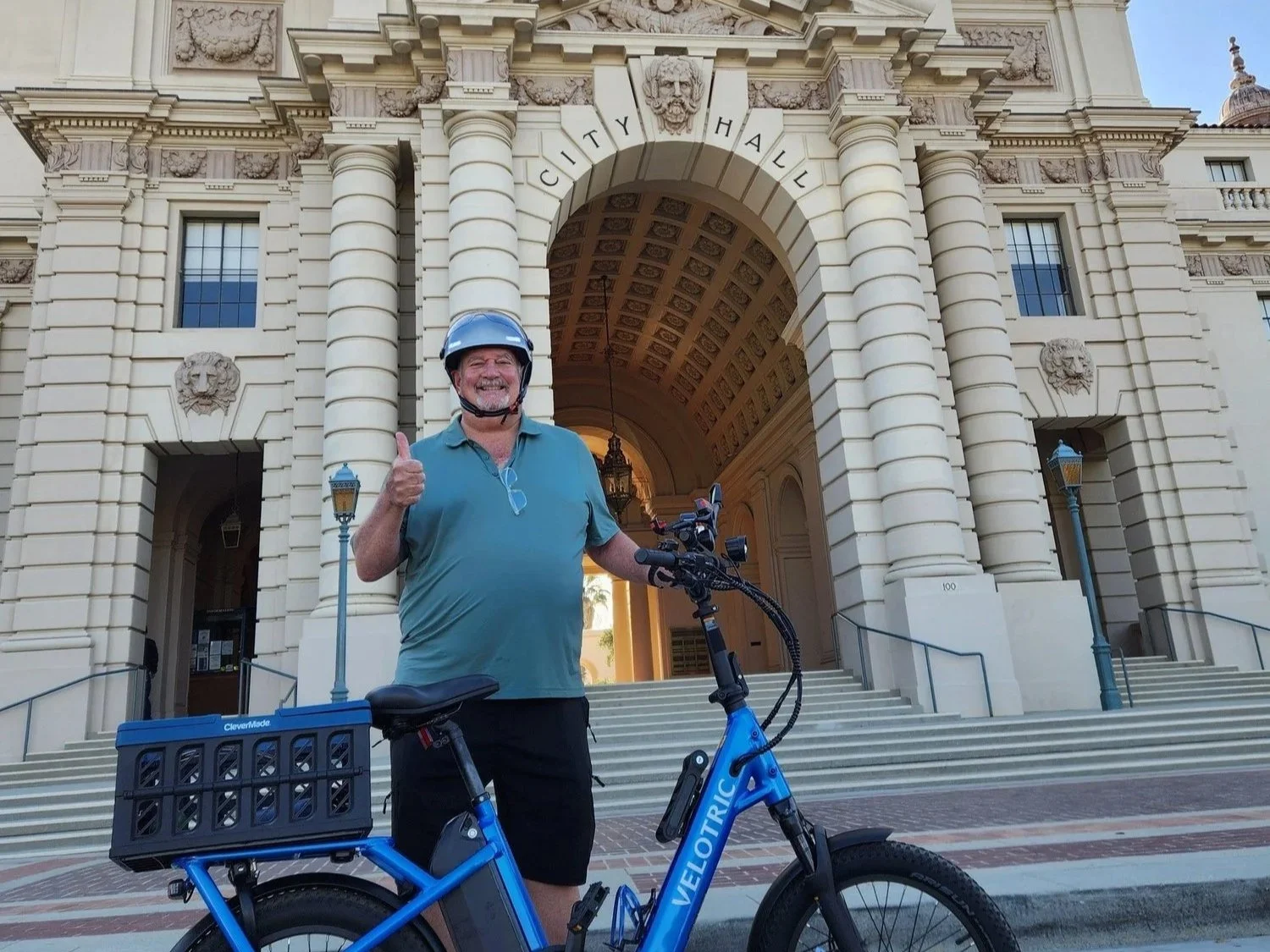
Another happy bike rider in front of Pasadena City Hall (nope, it’s not Pawnee).